
Case Study: Groundline
Building the Foundations for Scalable Growth
Summary
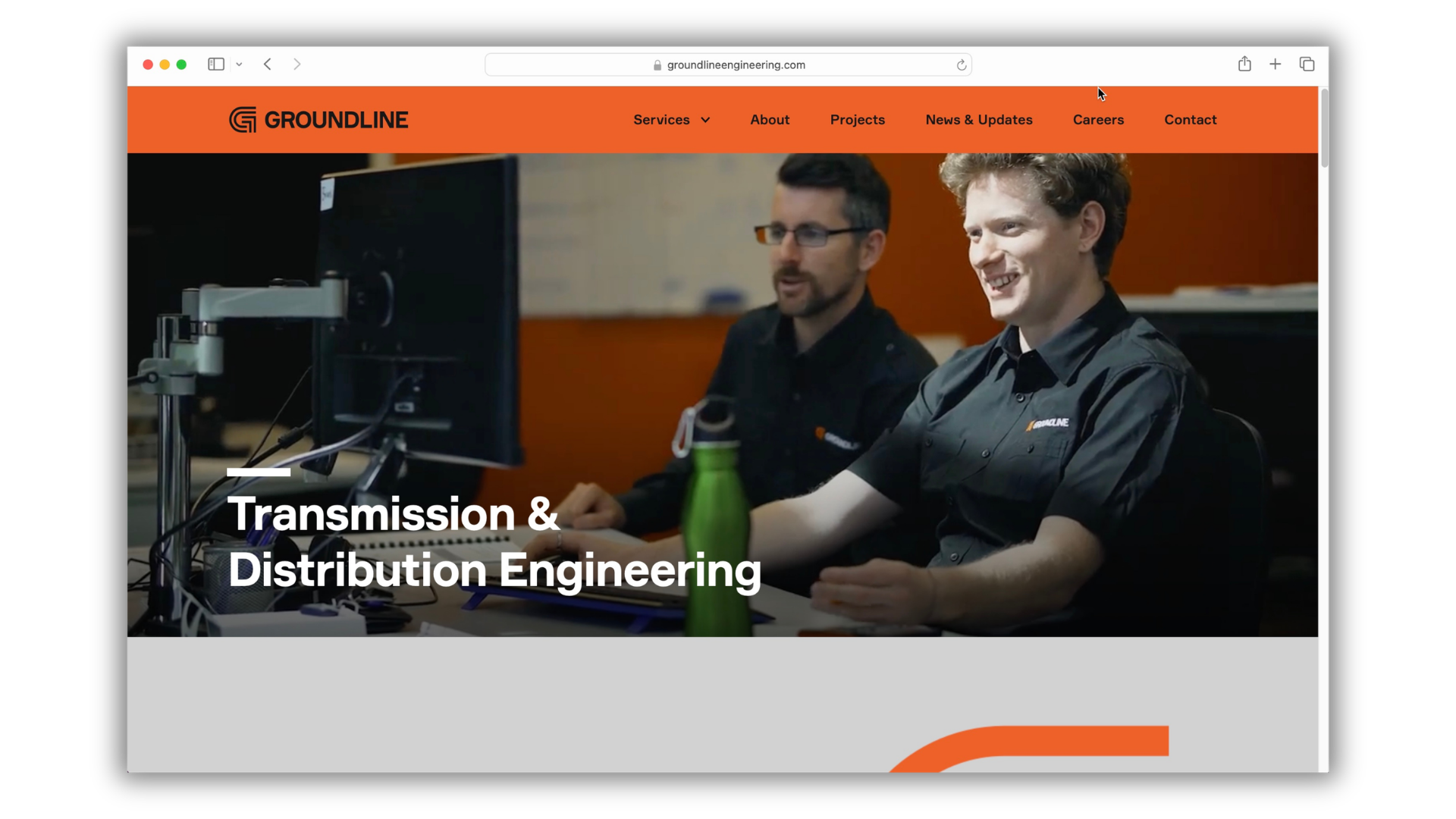
Groundline Engineering is a global engineering consultancy specialising in overhead lines and cabling for the utility industry. As the business expanded internationally, the leadership team recognised they needed a more structured and commercially-focused approach to sales and marketing.
Over a 3 year engagement, Helen Shorthouse worked alongside the Groundline leadership team to help strengthen market positioning, improve thought leadership, implement CRM systems and reporting, establish and support business development activity, and create stronger growth foundations across New Zealand, Australia, the UK and USA.
The engagement helped Groundline move from largely reactive marketing activity to a more deliberate and scalable growth approach, while building the foundations for an internal sales and marketing team.
Highlights
Helped Groundline move from ad hoc marketing activity to a more structured growth approach
Supported international growth activity across New Zealand, Australia, the UK and USA
Tightened market positioning and messaging, particularly for the USA market
Established more consistent thought leadership and LinkedIn activity
Introduced stronger planning and follow-up of opportunities
Improved alignment between sales, marketing and business development activity
Implemented HubSpot CRM reporting and pipeline visibility
Built the foundations for an internal sales and marketing function
Increased market visibility and recognition internationally
The Client
Groundline Engineering is a Christchurch-head quartered, global engineering services company specialising in overhead-lines and cabling for the utility industry.
The business was founded by Ian Flately, over 20 years’ ago, and shortly after Richi Cleland joined. The two have grown the company to over 60 FTEs, with teams based in the UK, Australia and USA. They are good at engineering design, but have found their ‘sweet-spot’ is in solving complex engineering problems that other engineering consultancies find hard to do.
Helen initially began working with Groundline in 2023, after connecting with Ian who needed some marketing support for Groundline’s sister company THOR Poletest. She worked with both companies over the next 2-3 years, although this case study focuses on the Groundline business.
The company has gone through a number of changes over this time - including separating THOR Poletest and Groundline Engineering into two standalone businesses, the two directors stepping back from day-to-day operations, and the appointment of a new CEO, Kyle James, who had previously been the GM New Zealand and Australia.
The Challenge
Groundline was already a successful business, but like many technically-led organisations, marketing had evolved organically over time. Activity was largely managed by individual GMs, with limited planning, consistency or connection into broader sales activity.
The leadership team recognised they needed a more deliberate and structured approach to support future growth, particularly as they had recently appointed Christian Nolden, to lead the Groundline USA business.
CEO, Kyle James says the business had “flown by the seat of our pants” with marketing for a long time. As Groundline expanded internationally, particularly into the USA, the leadership team recognised they needed a more consistent and professional approach that matched the quality of the engineering work they were delivering.
“We had no marketing plans, we’d turn up at conferences with no plan - no lead in, limited client outreach, and little follow-up activity.”
Kyle says the business had discussed hiring someone internally, but they were still working out what they actually needed and wanted to remain careful around cashflow. Bringing someone in to provide guidance and direction gave them the ability to add capability and structure, without immediately committing to a full in-house team and seemed the “obvious move.”
It wasn’t just a sales and marketing approach that was new to Groundline; like many companies looking to accelerate their growth, they had a number of areas that were being matured - they also established a more formal HR function, brought in additional finance skills and re-established an advisory board.
What We Did
Strategic planning session
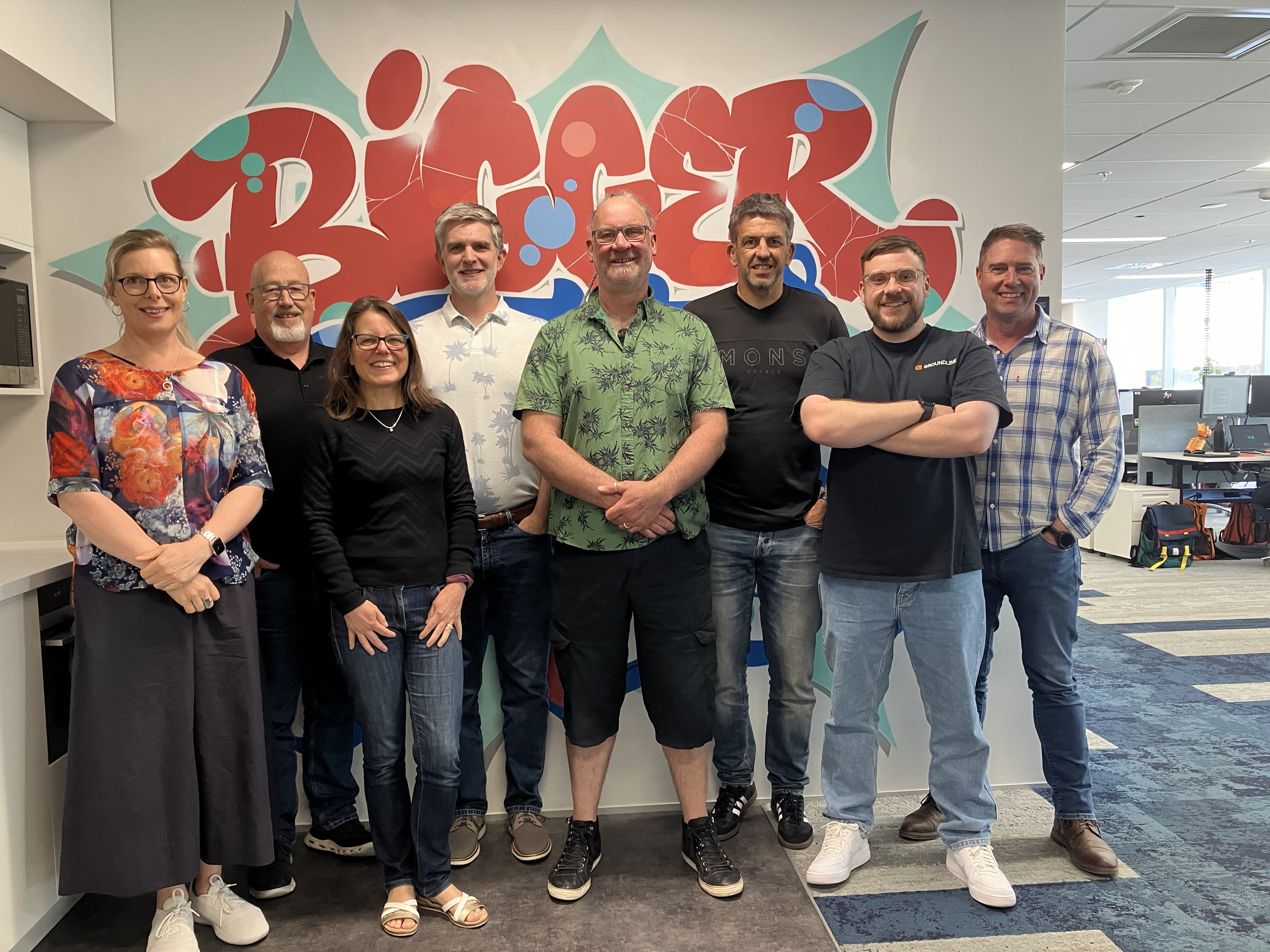
Our work together started with a strategic review of where Groundline was at, what was already working well, and where the gaps were beginning to show as the business grew internationally. Helen also participated in strategic planning discussions alongside NZTE Strategic Business Advisor, Imogene Lomax, and colleagues.
Groundline already had strong technical capability, long-standing customer relationships, and a respected reputation in-market. What was missing was structure, consistency and a more deliberate approach to growth.
Kyle says one of the biggest shifts was moving from reactive activity to actually having a plan.
“We had no marketing plans. We didn’t plan conferences. We’d just see an event and think it looked like a good idea to go to.”
Over time, the engagement evolved into a broader programme focused on helping Groundline build the foundations needed to support growth across New Zealand, Australia, the UK and USA.
This included:
Tightening messaging and market positioning, particularly for the USA market
Supporting international market activity alongside Groundline’s US President, Christian Nolden
Supporting re-entry into the Australian market, including direction for new business development activity
Establishing a more consistent LinkedIn and content cadence
Identifying key thought leadership themes and developing a challenger-led thought leadership approach with the GMs to position Groundline’s expertise in-market
Developing customer-focused case studies that spoke to decision-makers, rather than only technical internal audiences
Helping the team better understand ideal customers, their needs and how to engage with them
Driving the development of targeted account management and business development processes
Developing a more deliberate approach to opportunity planning, lead-in activity and follow-up
Recommending and overseeing the implementation of HubSpot CRM, including reporting dashboards and visibility of pipeline activity
Coaching and mentoring leaders around the role sales and marketing play in supporting growth
Execution support was delivered with a mixture of existing agency relationships and using sub-contractors for specific tasks.
One of the complexities of the engagement was that Groundline was operating across multiple international markets, all at different stages of maturity and requiring different commercial approaches.
Some markets were already well-established and relationship-driven, while others required stronger market positioning, credibility-building and more targeted business development activity to support growth.
The work was not just about ‘doing more marketing,’ it was about helping Groundline put more structure, systems and commercial thinking around growth activity as the business matured.
As Kyle reflected:
“You plugged the initial hole in the business, but also created a fantastic foundation for us to move forward on.”
The Results
Kyle describes the last few years as “quite a leap forward” for the business from a sales and marketing perspective.
Groundline moved from largely ad hoc marketing activity to a much more structured and consistent growth approach. The business now has clearer positioning, stronger brand consistency, more visibility across international markets, and improved alignment between sales and marketing activity.
The work also helped establish more discipline around opportunity planning, customer targeting and pipeline visibility through the implementation of CRM systems and reporting dashboards.
Importantly, the shift was not just external. Kyle says the wider team now has a much stronger understanding of the role marketing and sales play in supporting growth.
“People now know what an ICP is,” he jokes. “Before that it only meant Independent Connection Provider!”
Groundline is also beginning to see increased market recognition internationally, particularly in the USA and Australia.
“We’re hearing people say they’ve seen us on LinkedIn, read our blogs, or heard about us through the market.”
The company has since recruited both a Global Sales and Marketing Manager and a Marketing Coordinator, who are now building on the foundations, systems and direction established during the engagement.
Kyle says one of the unexpected benefits was how naturally Helen became part of the team.
“You fitted into the team culturally straight away. It made things seamless.”
Do you want to grow your business and build a more scalable growth engine?
Book a call with Helen to see how we can help your business grow.
FAQs
-
Shorthouse Consulting works primarily with B2B technical and specialist service businesses that are looking to grow, mature or scale. Each sale is high-value, and sales is typically high-touch.
Many clients are founder-led, or scaling organisations that have grown successfully through reputation and relationships, but now need more structure, clearer positioning, and better alignment between sales and marketing activity.
-
For many engineering and technically-led businesses, growth has historically come from referrals, relationships and technical reputation. As businesses grow, however, they often need more consistency, planning and visibility around how they position themselves in-market, generate opportunities, and support business development activity.
This can include clarifying market positioning, developing thought leadership, improving customer targeting, implementing CRM systems, strengthening account management processes, and creating more deliberate sales and marketing activity.
-
Strong thought leadership in technical industries is not about producing generic marketing content. It starts with identifying the real-world problems clients are facing and helping technical experts communicate their knowledge in a way that is commercially relevant and useful to decision-makers.
For Groundline Engineering, this included developing challenger-led thought leadership themes that positioned the business around complex engineering problems and industry issues, rather than simply promoting services.
-
Shorthouse Consulting worked alongside Groundline Engineering over a 3 year period to help strengthen the company’s sales and marketing foundations as the business expanded internationally.
This included market positioning, strategic planning, thought leadership, CRM implementation, customer targeting, account management support, conference and opportunity planning, business development processes, and coaching leaders around the role sales and marketing play in supporting growth.
It also included execution support from the Shorthouse Consulting sub-contracting team - including graphic design, social media management, website updates and content writing.
-
One of the biggest challenges for growing businesses is that sales and marketing activity often develops separately. Improving alignment starts with creating shared visibility around customers, opportunities, targeting and growth priorities.
This often includes establishing clearer processes, implementing CRM systems, developing account management approaches, improving internal communication, and ensuring marketing activity supports genuine commercial outcomes.
-
Groundline implemented HubSpot CRM to create better visibility of opportunities, pipeline activity and customer engagement across the business.
As the company expanded internationally, there was an increasing need for more consistent reporting, stronger follow-up processes, and improved coordination between sales and marketing activity.
-
International growth often requires more than technical capability alone. Businesses also need clear market positioning, strong brand consistency, deliberate relationship-building activity, and thought leadership that helps build credibility in new markets.
For Groundline, this included strengthening positioning for the USA market, supporting activity in Australia, improving thought leadership visibility, and creating more consistency across customer-facing material.
-
A strategic marketing advisor helps growing businesses create more structure and commercial focus around growth activity.
This can include clarifying positioning, supporting leadership teams, improving sales and marketing alignment, implementing systems and processes, developing thought leadership, strengthening customer targeting, and helping businesses build scalable foundations for future growth.
The role of a strategic marketing leader is to help set direction of activity to ensure it drives commercial business outcomes. Having strategic marketing leadership gives confidence to business leaders that they are investing in the right things for their business at that time.