
Observations from COMPUTEX Taipei: AI, Attention and the Challenge of Differentiation
Summary
COMPUTEX Taipei is one of the world’s largest technology expos, bringing together more than 1,400 exhibitors from across the globe to showcase AI, robotics, gaming, hardware and emerging technology.
During a recent visit to Taiwan, I spent a day exploring COMPUTEX and InnoVEX, observing not just the technology itself, but also how companies attempted to differentiate, attract attention and engage audiences in an incredibly crowded environment.
From AI companions and robot baristas to gacha giveaway machines and endless “next generation” messaging, the event highlighted both the pace of innovation and the ongoing challenge of clear positioning and human connection in technology marketing.
COMPUTEX 2026
I’m on another of my (now annual) workations: a blend of work and holiday. This time I’m experiencing a whole new world in Taiwan. Day 1 was a visit to tech expo, COMPUTEX.
First Impressions - It’s a Massive Tech Expo
COMPUTEX Taipei is one of the world’s largest technology trade shows - with hardware, AI, software, gaming, etc. Alongside this, is InnoVEX, which focuses more on startups, emerging technology and innovation ecosystems. According to their website there were 111,312 visitors from 152 countries across the five days, visiting 4,800 booths from 34 countries.
Given this was only day 1 for me in a brand new country, some of my observations were just about the experience of Taiwan. Others were about the expos and what they say about the current state of technology, marketing and human behaviour.
Getting Attention
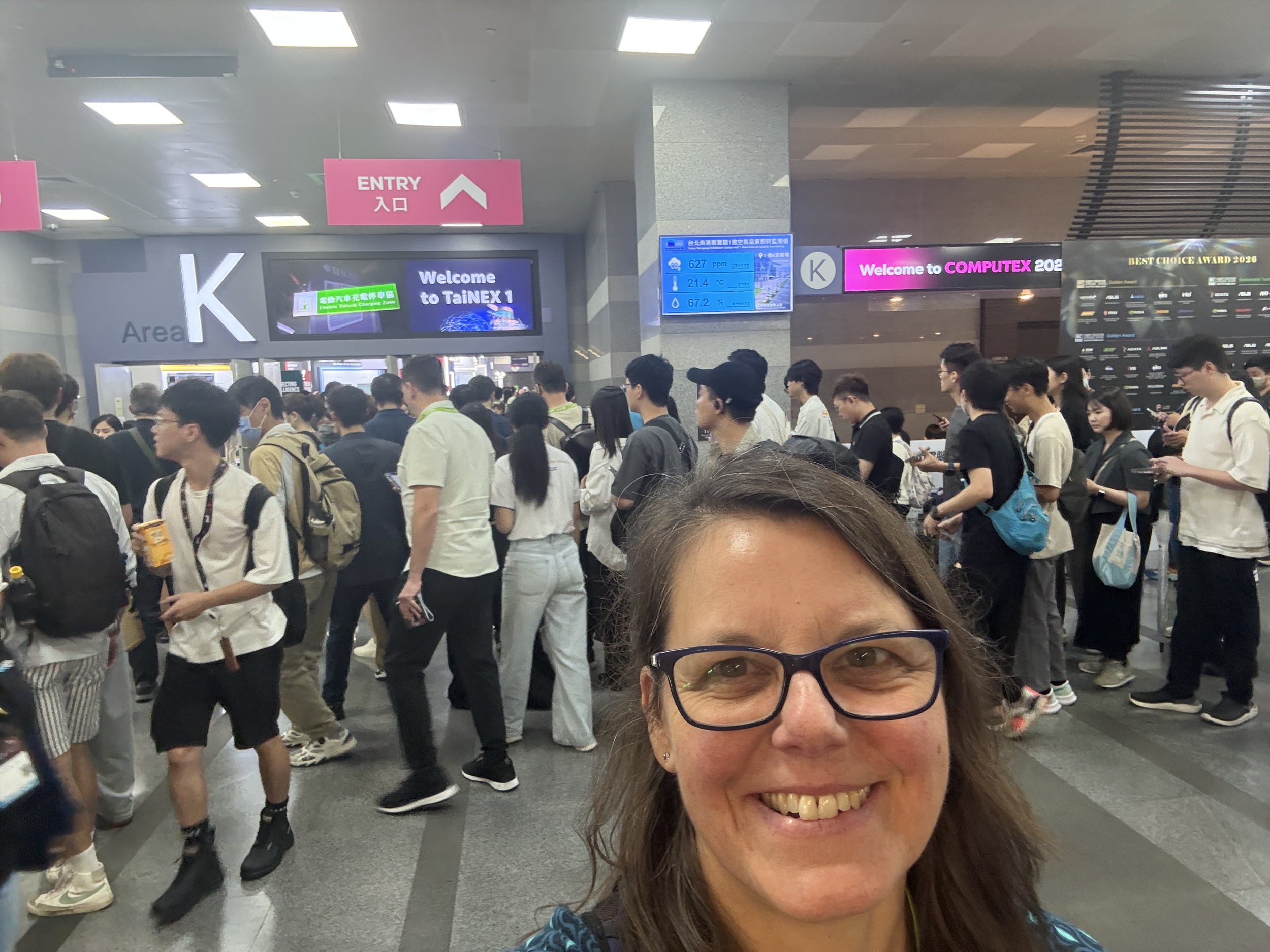
First impressions: scale, noise and queues!
Yup - there are a lot of people in Taiwan, and people were snaking across the entrance lobby to register and get in. I felt very pleased I’d pre-registered and could walk straight in with my name badge labelled “International Visitor.”
The expos were spread across multiple floors and 3 main locations, one of which involved a bus trip across the city. As you’d expect - mostly they were polished and professional; there was a lot of money on display from established companies wooing customers, prospects and partners. As it was so big, I focused on getting a taste of COMPUTEX, a visit to InnoVEX and then finished off at the robotics, ePaper Pavillion and TechXperience.
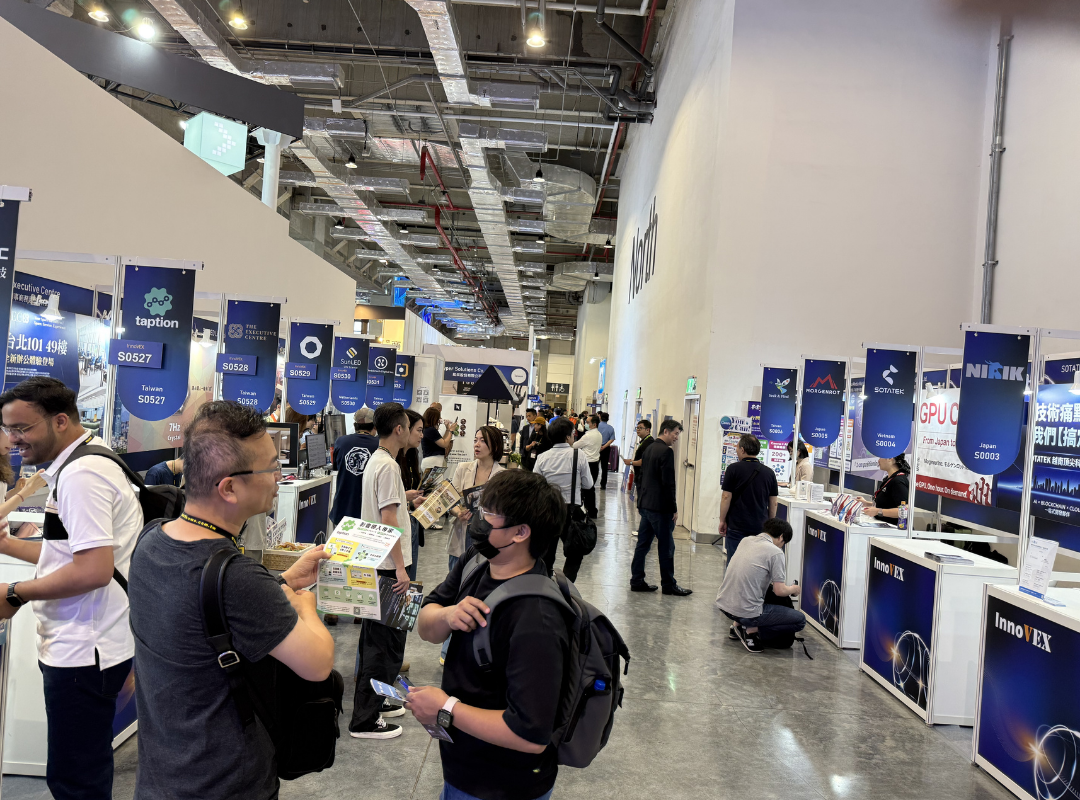
InnoVEX had over 500 startups from 23 countries, and was a mix of one-person pods in Start-Up Alley, to well-established companies. I was surprised to see big polished booths from multiple countries - including Australia, France, Israel, the Czech Republic, Canada, and Italy. Some of these booths were quiet, some busy, but the Italians just looked like they would rather have been somewhere else entirely! Despite the politics of not ‘recognising’ Taiwan as a nation - trade is definitely alive and well.
If you are a start-up interested in Taiwan they even have a sponsored startup programme for global companies, which includes exhibiting at InnoVEX - see Garage+ for more.
The Challenge of Differentiation - Mixed Results
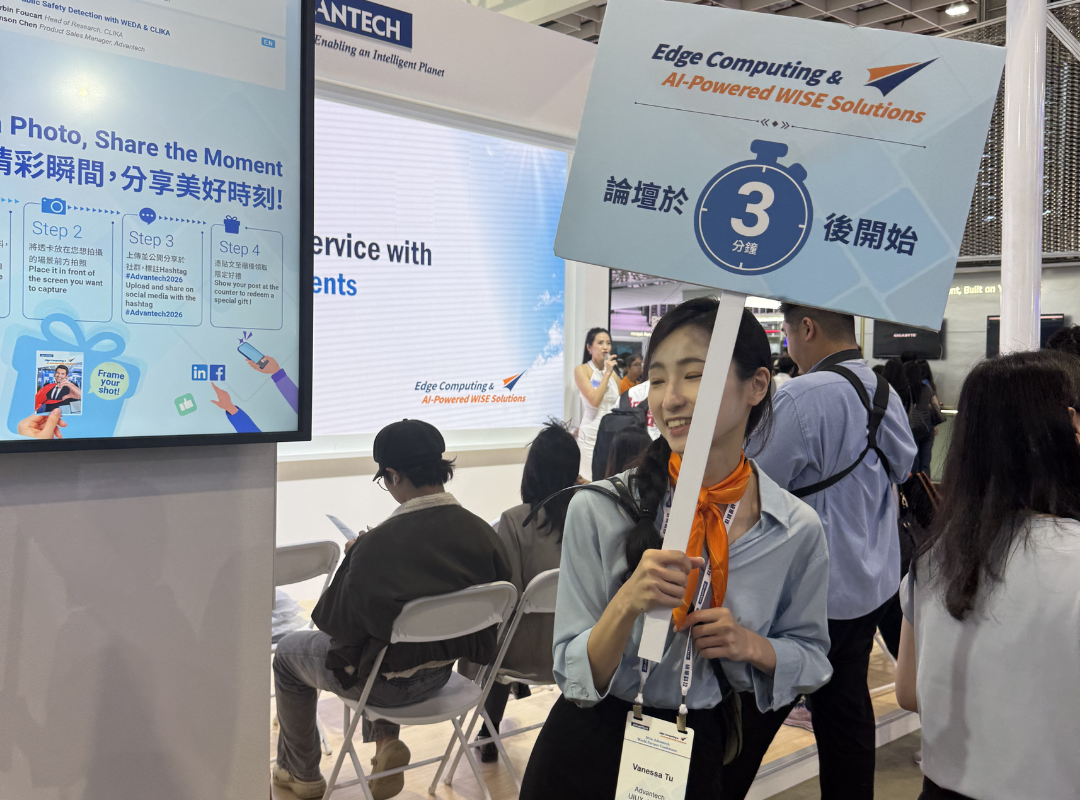
I’m a marketer, so I was interested in how people presented themselves and attracted people in a busy expo hall, as much as I am interested in the tech itself.
I was intrigued to see fantastic floral displays on lots of the booths; originally I thought they were just for display, but it seems they are sent from happy customers, or partners, to wish the company well at the expo - what a nice touch!
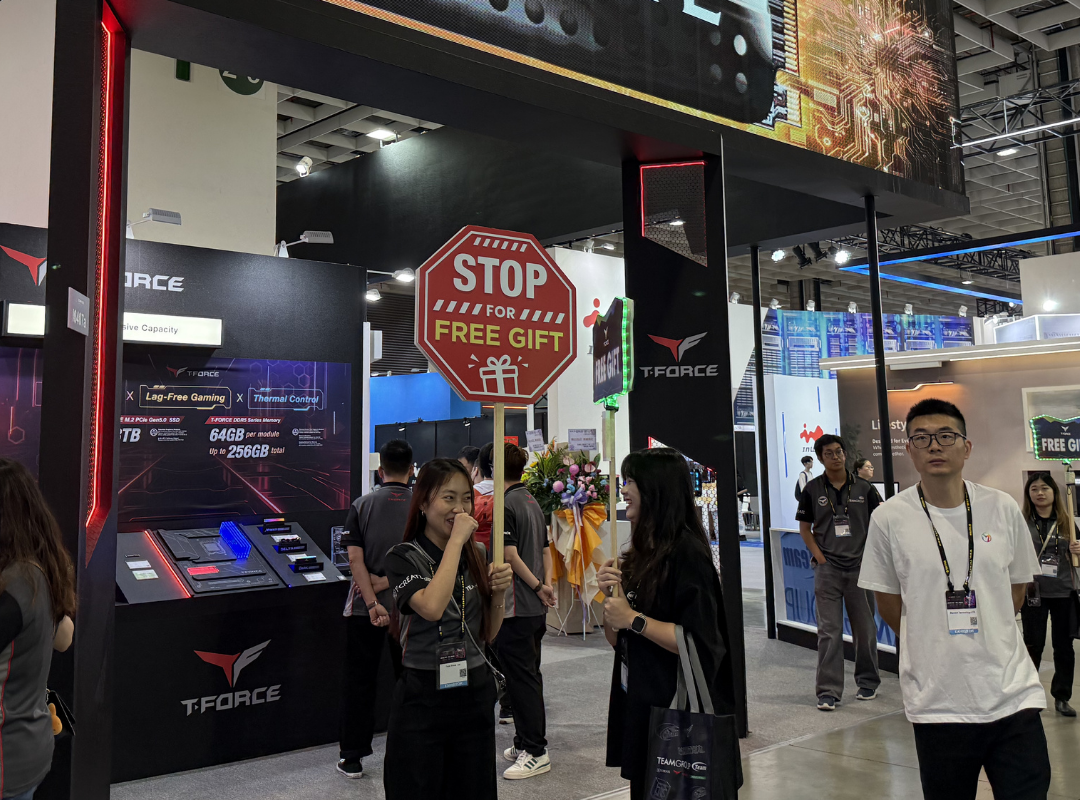
People stood outside booths with banners to attract people to their demos or speaking events, or to highlight freebies to give away. Some companies didn’t need help attracting a crowd, with people queueing down the aisles to reach some booths. Apparently the way to grab a crowd is a ‘gacha’ capsule machine where visitors line up to receive random prizes in plastic balls after trying demos or scanning QR codes. Winners then take selfies and share their wins on the socials - a great way to amplify your brand.
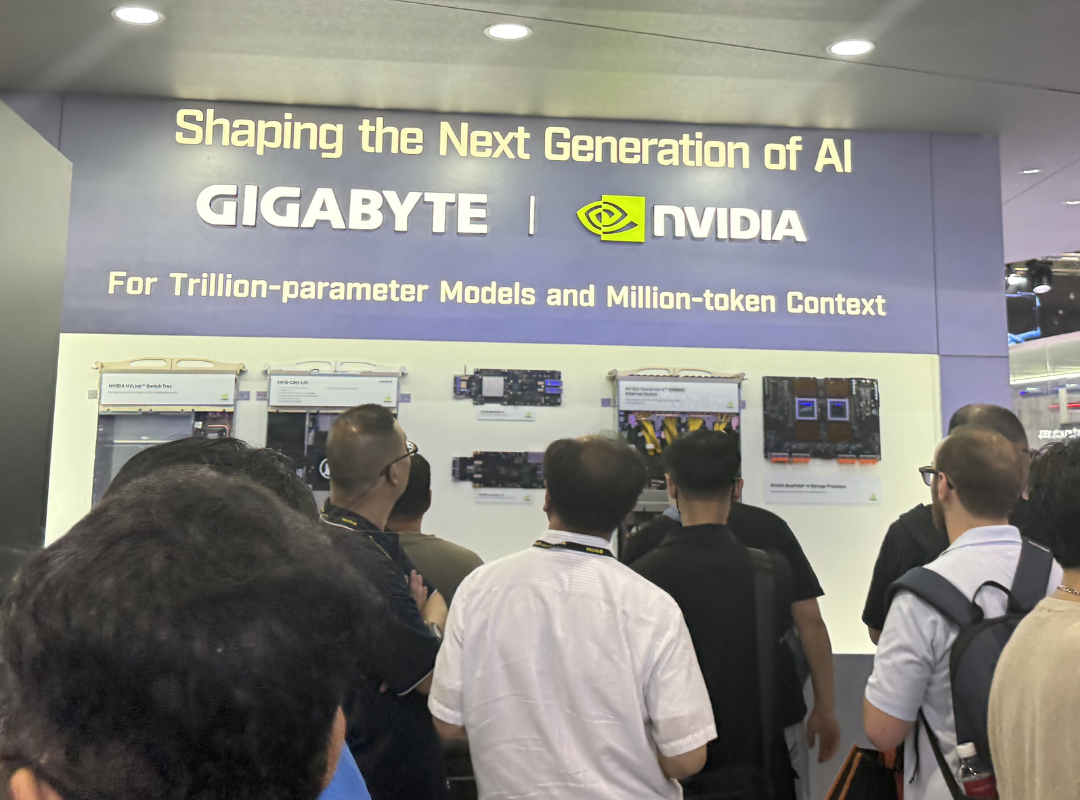
There’s a lot of blue in tech. The expo hall was a sea of non-differentiated blue colour.
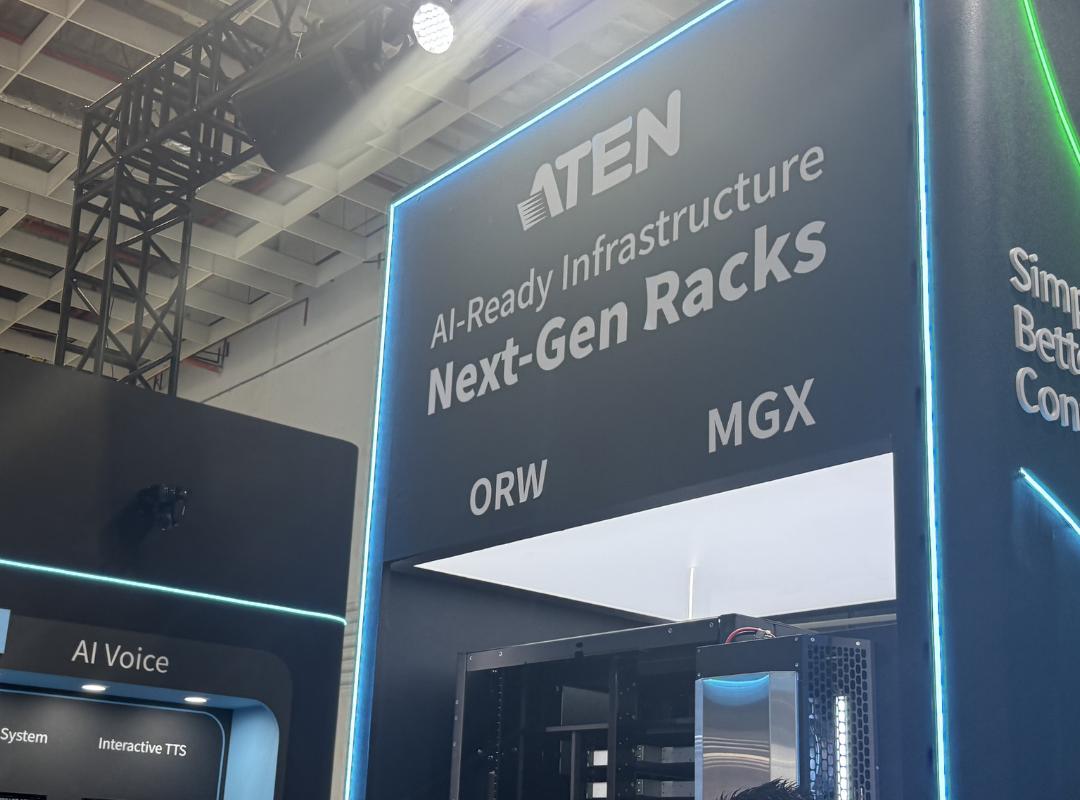
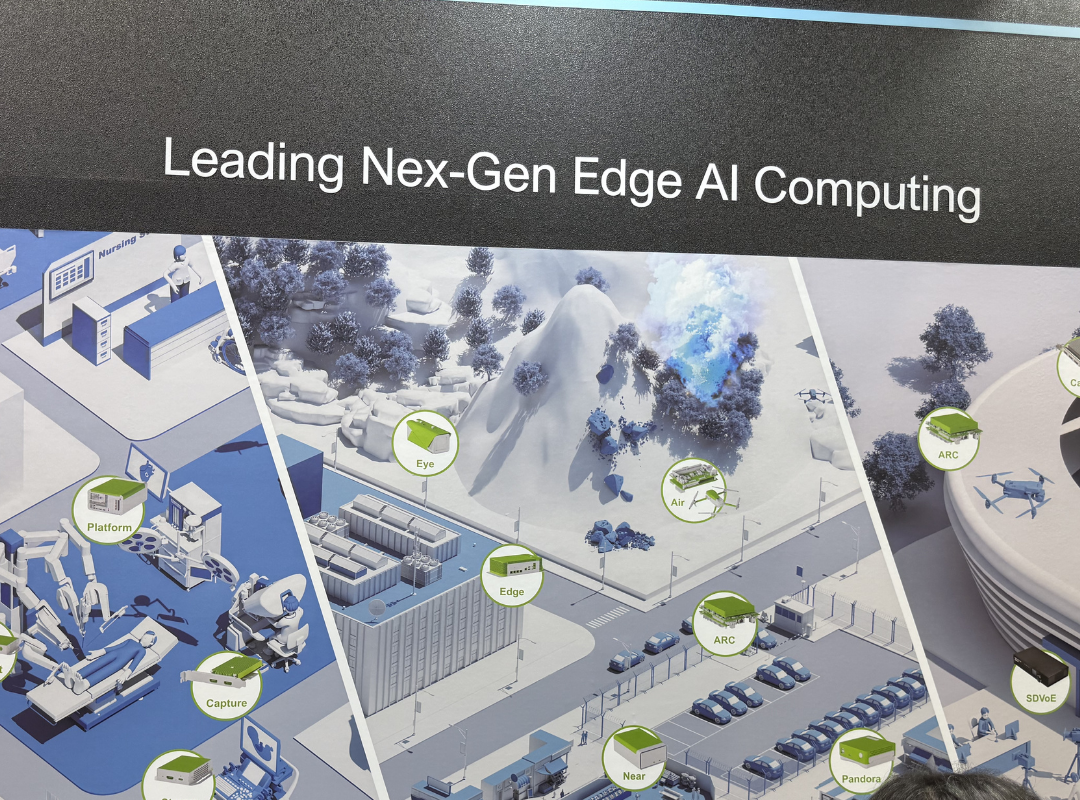
And sooooo many companies described their technology as “next generation” that the phrase became virtually meaningless.
A lot of booths relied on vague descriptor terms that might sound impressive in a brochure, but made it hard to understand what the company actually did, who it was for, or why it was different.
Ironically, at an expo filled with leading technology, clear positioning and communication still stood out as a challenge, even for well established companies.
Technology that Stood Out
The worst booths for me were not those who had a booth backdrop literally listing part numbers - that of course made me cringe, but might have been very relevant to their audience. It was actually the two I saw that were blatantly using beautiful tall women in short tight dresses to attract people - I know water jets may not be attractive, but 😱
Special mention goes to the booths selling very specific parts that still managed to showcase them well and describe their differentiation - that’s not always easy for a company selling components
The biggest ‘WOW’ factor for me has got to be in the ePaper Pavilion where E-ink demonstrated their changing colours of a BMW car live. I’d seen it online, but it was great to see in real life, even though it does feel a bit of a gimmick
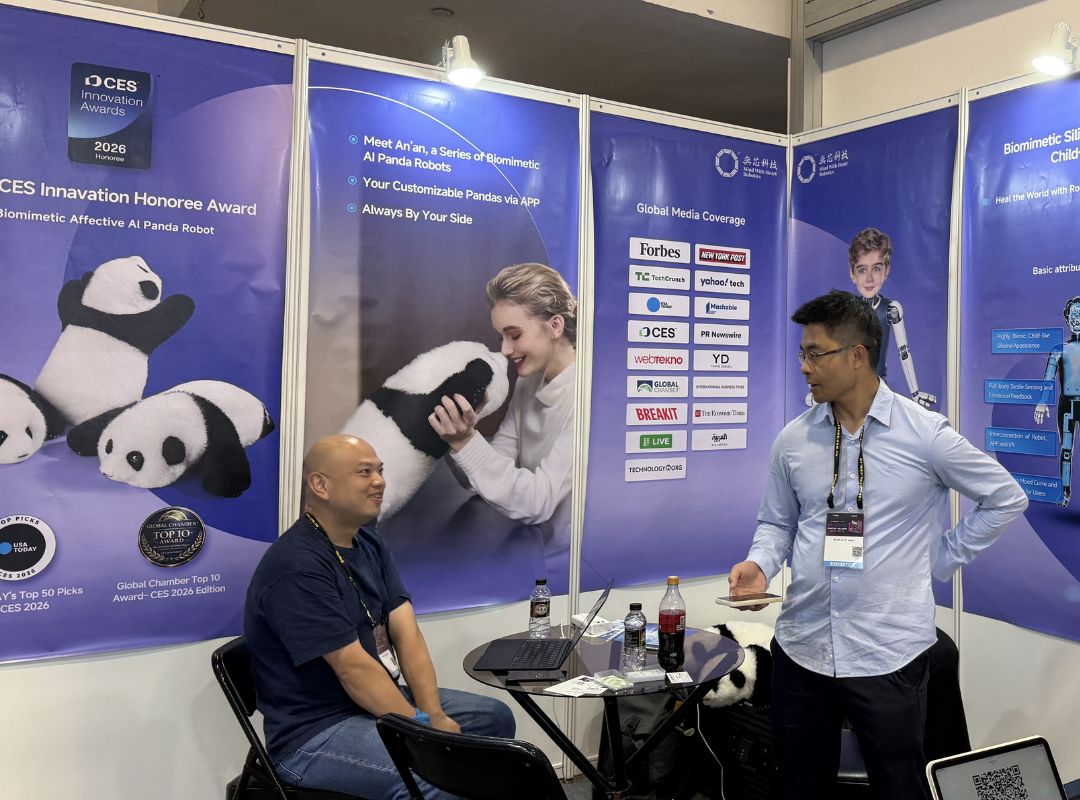
The ‘odd’, slightly uncomfortable and not-quite sure, award goes to the booths showcasing AI companions - An’an, an emotional support panda and The Keeper’s child companion, Chiao-hu Buddy, which can detect inappropriate language and questions, e.g. about sex, as well as monitoring new language skills - both of which can be reported to the parents
What both The Keeper and E-ink have done very well is partner with established brands - Chiao-hu is essentially a cross-between The Wiggles and Buzzy Bee, enabling them to leverage child nag-power in getting the AI into homes
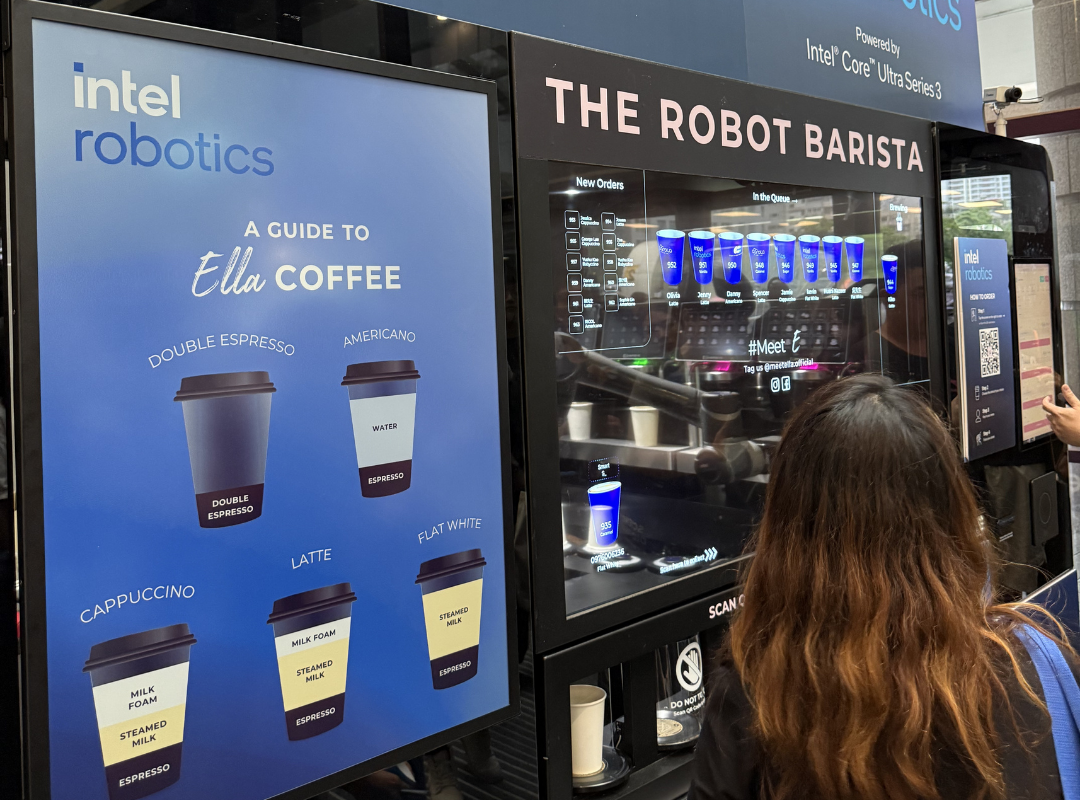
With all the smartest tech in the world on display, I found it a bit depressing that one of the biggest queues was simply to have your barista coffee made…. I realise this is probably early days in robotics, as a human barista is certainly not going to be out of a job for a while given the speed the robots were working, but I’m hoping we can get some more real valuable use out of breakthrough technology!
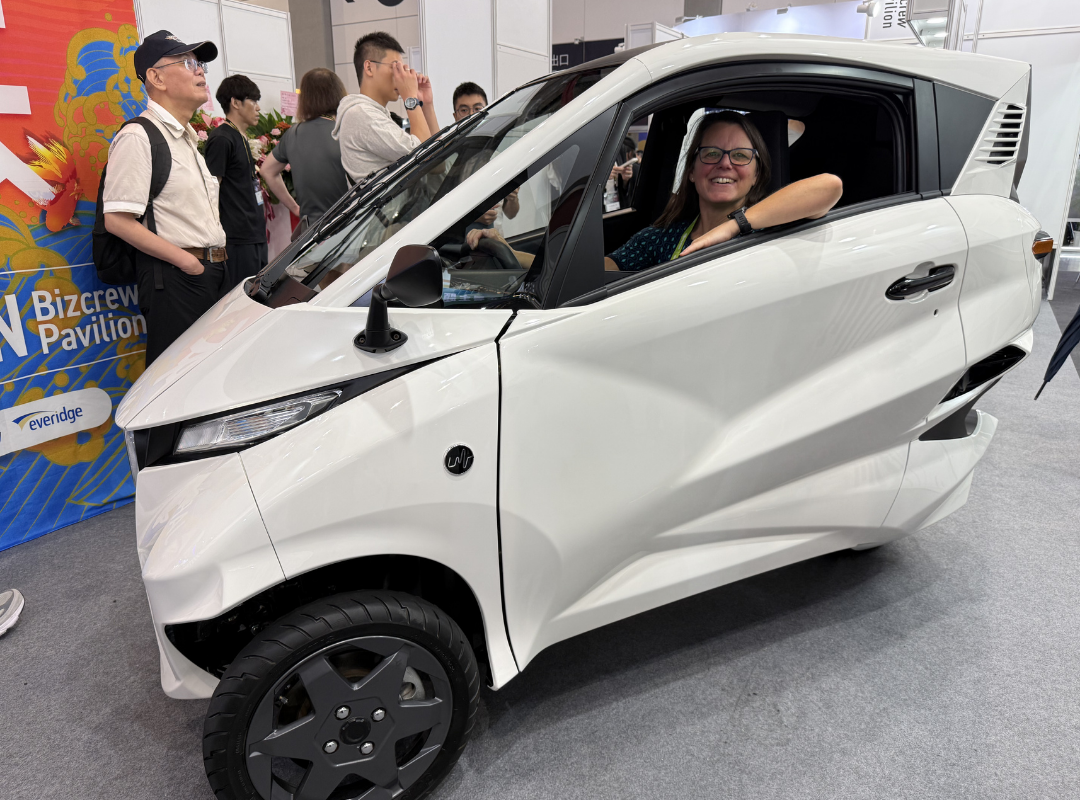
And finally, my favourite part was getting to sit in a Lean car - pitched as a solution for urban mobility, it looks like a cross between a motorbike and the three-wheeler Robin Reliant!! I don’t see this taking off in NZ, but in more densely crowded areas it could be a thing
Final reflections
I walked about 20,000 steps, rode a bus between venues, and got wet running between halls, but still only saw a tiny fraction of what was on display.
I found it interesting to see the same challenges here as with other expos I have been to - the importance of having the ability to clearly differentiate what you do, ensuring you have engaged people on your booth, and ideally something to grab attention - after all, we’re all still humans engaging with humans, despite the gadgets, gimmicks and technology.
You can read more in the official website write-up.
FAQs
-
COMPUTEX Taipei is one of the world’s largest technology trade shows, bringing together global companies across AI, hardware, robotics, gaming, semiconductors, software and emerging technology. The event is held annually in Taiwan and attracts exhibitors and visitors from around the world.
-
InnoVEX is the startup and innovation section that runs alongside COMPUTEX. It focuses on startups, emerging technology companies, investors and innovation ecosystems, with exhibitors from multiple countries.
-
Some of the biggest themes included the scale of the event, the strong focus on AI and robotics, the challenge many companies faced in clearly differentiating themselves, and the growing role of attention-grabbing experiences and social sharing in expo marketing.
-
Exhibitors used a wide range of tactics including interactive demos, giveaways, large visual displays, speakers, robot demonstrations and “gacha” capsule prize machines that encouraged visitors to engage and share content on social media.
-
A gacha machine is a capsule toy or prize machine popular in Japan and other parts of Asia. At COMPUTEX, some exhibitors used gacha-style machines to give visitors random prizes after participating in demos or scanning QR codes.
-
With thousands of exhibitors competing for attention, clear positioning and communication become critical. Many companies used similar messaging and jargon, such as “next generation” or “AI-powered”, making it difficult for attendees to quickly understand what a company actually does, who it is for, or why it is different.
-
At large expos, attendees are exposed to thousands of competing messages and brands in a short period of time. Companies that clearly explain their value proposition, target audience and differentiation are more likely to attract attention and create meaningful conversations.
Get In Touch

We partner with CEOs and leaders of B2B tech and services companies who are ready to grow.
We have a particular sweet-spot for helping teams where there is a low-volume, high value offering that involves a personalised sales approach. ♥️
We help you get a plan that is aligned with your business objectives, and build a ‘growth engine’ that turns your marketing and sales activity into something that scales with you as you grow.
If you are looking to grow your business and are interested in building a sustainable approach to growth, then I’d love to chat.
Give me a shout, Helen
021 900335
helen@shorthouse.co.nz